


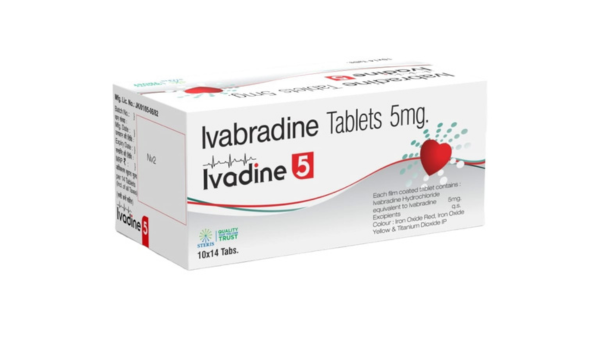




Ivabradine 5 mg
Jun 28, 2022
Ivabradine 5 mg, a selective If channel inhibitor, is found in IVADINE 5, a prescription cardiovascular medication that is mainly used to treat chronic cardiac disorders linked to high heart rate. Ivabradine lowers heart rate by selectively targeting the sinoatrial node; it has no effect on blood pressure, cardiac conduction, or myocardial contractility. This process improves the heart's oxygen supply-demand balance by enabling effective heart rate management.
An important risk factor for deteriorating heart failure, angina, and other cardiovascular problems is elevated heart rate. IVADINE 5 is intended to lessen the symptoms of heart failure and chronic stable angina, enhance exercise tolerance, and optimize heart function. Cardiologists and other medical professionals in India recommend it because of its efficacy and excellent safety profile.
Uses
IVADINE 5 is primarily indicated for the following clinical conditions:
1. Chronic Stable Angina
IVADINE 5 is used to reduce angina attacks in patients with normal sinus rhythm who have persistent symptoms despite standard therapy, such as beta-blockers. By lowering heart rate, it improves coronary perfusion and reduces cardiac oxygen demand, resulting in fewer chest pain episodes.
2. Heart Failure with Reduced Ejection Fraction (HFrEF)
For patients with chronic heart failure and reduced left ventricular ejection fraction, IVADINE 5 helps manage elevated heart rate, which is a predictor of adverse outcomes. By slowing the heart rate, it enhances ventricular filling time and cardiac efficiency, improving overall heart function.
3. Adjunct Therapy
IVADINE 5 is often used alongside standard heart failure therapies, including ACE inhibitors, ARBs, and diuretics, to provide additional symptomatic relief and improve exercise tolerance.
The heart rate-lowering effect is central to its therapeutic value, distinguishing IVADINE 5 from other anti-anginal and heart failure medications.
Benefits
IVADINE 5 offers multiple clinical and patient-centric advantages:
1. Selective Heart Rate Reduction
Unlike beta-blockers, Ivabradine selectively reduces heart rate without negative inotropic or hypotensive effects, making it suitable for patients who cannot tolerate conventional therapy.
2. Improved Exercise Tolerance
By optimizing cardiac function and reducing heart rate, IVADINE 5 enhances physical activity tolerance and quality of life in angina and heart failure patients.
3. Symptom Relief in Chronic Stable Angina
Regular use results in a significant decrease in angina attacks, reducing reliance on short-acting nitrates and improving daily functioning.
4. Reduced Hospitalization Risk in Heart Failure
Clinical evidence supports that Ivabradine, as part of guideline-directed therapy, reduces hospitalizations due to worsening heart failure.
5. Predictable Pharmacokinetics
IVADINE 5 offers consistent therapeutic effects with minimal inter-patient variability, enhancing treatment reliability.
6. Favorable Safety Profile
Common side effects are generally mild and transient, while serious adverse events are rare when taken as prescribed.
These benefits make IVADINE 5 a valuable addition to modern cardiovascular management, particularly in patients with elevated resting heart rates.
Dosage
The dosage of IVADINE 5 should be determined by a healthcare professional based on the patient’s condition, resting heart rate, and treatment response.
Recommended Dosage:
-
Typical Starting Dose: One tablet of IVADINE 5 mg twice daily, administered with meals.
-
Dose Adjustment: The dose may be increased to 7.5 mg twice daily if tolerated, or decreased to 2.5 mg twice daily in case of bradycardia or adverse effects.
-
Administration: Tablets should be swallowed whole with water. Consistent timing and adherence to dosing schedule are essential for effective therapy.
Special Considerations:
-
Monitor heart rate regularly during therapy initiation and dose adjustment.
-
Use caution in elderly patients and those with liver impairment.
-
Do not abruptly discontinue therapy, as this may lead to worsening symptoms.
Proper dosing ensures maximum therapeutic benefit while minimizing the risk of side effects.
Side Effects
IVADINE 5 is generally well-tolerated. Most side effects are mild and transient, but patients should be informed about potential reactions.
Common Side Effects:
-
Temporary bradycardia (slow heart rate)
-
Fatigue or tiredness
-
Dizziness or lightheadedness
-
Visual disturbances, such as transient blurred vision or luminous phenomena (phosphenes)
Less Common but Serious Side Effects:
-
Severe bradycardia or syncope
-
Heart rhythm abnormalities
-
Hypotension (low blood pressure) in susceptible patients
-
Allergic reactions such as rash or swelling
Patients experiencing severe or persistent side effects should seek immediate medical attention. Regular monitoring during therapy allows early detection and management of adverse events.
Precautions and Warning
Before prescribing IVADINE 5, clinicians should consider the following precautions:
1. Heart Rhythm Monitoring
IVADINE 5 is contraindicated in patients with sinoatrial block, severe bradycardia, or sick sinus syndrome unless a pacemaker is in place.
2. Severe Heart Failure or Hypotension
Use caution in patients with severe hypotension (BP < 90/50 mmHg) or decompensated heart failure.
3. Liver Impairment
Ivabradine is metabolized in the liver; dose adjustment or close monitoring may be necessary in hepatic dysfunction.
4. Drug Interactions
Inform the doctor of any concurrent medications, especially strong CYP3A4 inhibitors, as these can increase Ivabradine levels and the risk of bradycardia.
5. Pregnancy and Lactation
IVADINE 5 should only be used if clearly indicated during pregnancy or breastfeeding and under medical supervision.
6. Lifestyle Considerations
Patients should avoid abrupt discontinuation, excessive caffeine, or alcohol, which may influence heart rate or exacerbate symptoms.
Adherence to these precautions ensures safe and effective therapy.
Conclusion
IVADINE 5, containing Ivabradine 5 mg, is a modern cardiovascular medicine with a unique heart rate–lowering mechanism. Its selective action on the sinoatrial node allows effective management of chronic stable angina and heart failure with reduced ejection fraction, without the negative inotropic or hypotensive effects often seen with beta-blockers
Recent Post

Buy Semaglutide Injection 4mg Online in India | Price, Uses & Availability

Buy Etoricoxib and Cyclobenzaprine Hydrochloride Tablets in India from Steris Healthcare. Check uses, composition, price, and order online.

Semaglutide Injection 8 mg: Uses, Dosage, Price & How to Buy Online Safely

Buy Semaglutide Injection 2 mg Online : Price, Uses & Side Effects

सेमाग्लूटाइड इंजेक्शन ऑनलाइन खरीदें | बेहतरीन कीमत

सेमाग्लूटाइड इंजेक्शन: कीमत, उपयोग, फायदे, खुराक और ऑनलाइन खरीदने की पूरी जानकारी

Buy Semaglutide Injection Online in India | Price & Uses

Nefopam Hydrochloride 30 mg Tablets : How It Works, Uses & Safety Information

Ferric Maltol, Vitamin C, Folic Acid, Vitamin D2 and Vitamin B12 Capsules: Uses, Benefits, Side Effects and Complete Guide to Iron Deficiency Support

Aripiprazole 10 mg : Uses, Benefits, Dosage & Side Effects – Complete Guide