


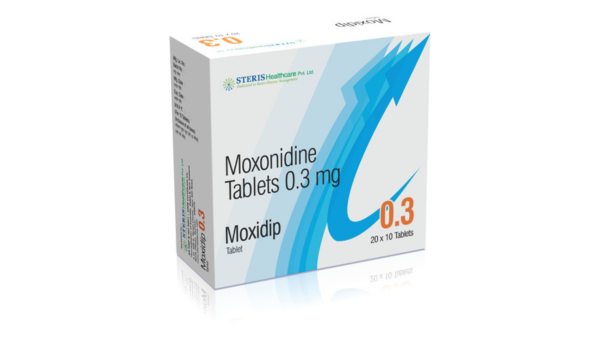




Moxonidine 0.3 mg
Jun 30, 2022
Moxonidine 0.3 mg, a selective imidazoline receptor agonist used to treat essential hypertension, is a component of MOXIDIP 0.3, an efficient antihypertensive drug. Moxonidine, in contrast to conventional antihypertensive medications, operates centrally on the brainstem to diminish sympathetic nervous system activity, which lowers blood pressure and peripheral vascular resistance.
In India, hypertension is a common disorder that greatly raises the risk of cardiovascular diseases such heart attacks, strokes, and renal problems. For individuals who are intolerant to other classes of antihypertensives or who need additional therapy for optimum control, MOXIDIP 0.3 offers a safe, well-tolerated, and effective alternative for managing raised blood pressure.
The once-daily dosing and favorable safety profile make MOXIDIP 0.3 suitable for long-term management of essential hypertension, improving patient compliance and reducing cardiovascular risk.
Uses
MOXIDIP 0.3 is prescribed for several conditions related to elevated blood pressure:
1. Essential Hypertension
The primary indication of MOXIDIP 0.3 is the management of mild to moderate essential hypertension in adults. By lowering both systolic and diastolic blood pressure, it reduces the overall cardiovascular risk.
2. Monotherapy for Resistant Patients
MOXIDIP 0.3 is particularly useful in patients who do not tolerate beta-blockers, ACE inhibitors, or diuretics, making it an ideal alternative monotherapy option.
3. Combination Therapy
In cases of uncontrolled hypertension, MOXIDIP 0.3 can be used in combination with other antihypertensives such as diuretics, ACE inhibitors, or calcium channel blockers to achieve target blood pressure levels.
4. Sympathetic Overactivity
Moxonidine also helps patients with high sympathetic tone, including those with heart rate elevation and associated cardiovascular risks.
Benefits
MOXIDIP 0.3 offers several advantages over conventional antihypertensive therapies:
1. Central Sympatholytic Action
Unlike peripheral vasodilators, Moxonidine acts on imidazoline receptors in the brain, reducing sympathetic nerve activity, which results in decreased vascular resistance and heart rate.
2. Once-Daily Dosing
The drug’s pharmacokinetic profile allows for convenient once-daily administration, improving patient adherence and long-term blood pressure control.
3. Minimal Metabolic Side Effects
MOXIDIP 0.3 has a favorable metabolic profile, with minimal effects on blood sugar, lipid levels, or body weight, making it suitable for patients with diabetes or metabolic syndrome.
4. Cardiovascular Risk Reduction
Effective blood pressure control reduces the risk of stroke, myocardial infarction, and heart failure, contributing to improved long-term cardiovascular health.
5. Well-Tolerated and Safe
MOXIDIP 0.3 is generally well tolerated, with a lower incidence of common antihypertensive side effects such as fatigue, dizziness, or electrolyte imbalance.
6. Suitable for Long-Term Therapy
The once-daily dosing, favorable tolerability, and sustained blood pressure control make MOXIDIP 0.3 ideal for chronic use in essential hypertension.
Dosage
The dosage of MOXIDIP 0.3 should be individualized according to the patient’s blood pressure response and clinical condition.
Recommended Dosage:
-
Usual Adult Dose: One tablet (0.3 mg) once daily
-
Route: Oral
-
Administration: Can be taken with or without food, preferably at the same time each day
Important Dosage Considerations:
-
Dose may be adjusted based on blood pressure response
-
Patients with renal or hepatic impairment may require dose modification
-
Abrupt discontinuation is not recommended; dose should be tapered gradually under medical supervision
Regular monitoring of blood pressure, kidney function, and heart rate is recommended for optimal therapy.
Side Effects
MOXIDIP 0.3 is generally well tolerated, but some patients may experience adverse effects:
Common Side Effects:
-
Dizziness or lightheadedness
-
Fatigue or mild tiredness
-
Dry mouth
-
Headache
Less Common Side Effects:
-
Gastrointestinal discomfort (nausea or mild diarrhea)
-
Bradycardia (slow heart rate)
-
Hypotension (low blood pressure)
Rare but Serious Side Effects:
-
Severe hypotension
-
Allergic reactions such as rash, swelling, or itching
-
Worsening of pre-existing heart conditions in susceptible patients
Patients experiencing persistent or severe side effects should seek medical attention immediately.
Precautions and Warning
Certain precautions should be observed for safe use of MOXIDIP 0.3:
1. Cardiovascular Monitoring
Patients with severe bradycardia, heart block, or unstable heart failure should use MOXIDIP 0.3 only under close supervision.
2. Kidney and Liver Function
Dose adjustments may be necessary in patients with renal or hepatic impairment, and periodic monitoring is recommended.
3. Pregnancy and Lactation
MOXIDIP 0.3 should be used only if clearly indicated during pregnancy. Breastfeeding should occur under medical supervision.
4. Drug Interactions
Patients should inform their healthcare provider if they are taking:
-
Other antihypertensives
-
Central nervous system depressants
-
Drugs affecting heart rate or blood pressure
5. Lifestyle Management
Optimal blood pressure control is achieved when therapy is combined with reduced salt intake, balanced diet, regular exercise, and weight management.
Conclusion
MOXIDIP 0.3, containing Moxonidine 0.3 mg, is a clinically proven, safe, and effective therapy for the management of essential hypertension. Its unique mechanism of action via imidazoline receptor agonism reduces sympathetic activity, lowers vascular resistance, and helps maintain stable blood pressure, while offering additional cardiovascular protection.
The once-daily dosing, favorable tolerability, and minimal metabolic effects make MOXIDIP 0.3 an excellent choice for long-term therapy, particularly for patients with metabolic concerns or those intolerant to other antihypertensive classes.
Recent Post

Buy Semaglutide Injection 4mg Online in India | Price, Uses & Availability

Buy Etoricoxib and Cyclobenzaprine Hydrochloride Tablets in India from Steris Healthcare. Check uses, composition, price, and order online.

Semaglutide Injection 8 mg: Uses, Dosage, Price & How to Buy Online Safely

Buy Semaglutide Injection 2 mg Online : Price, Uses & Side Effects

सेमाग्लूटाइड इंजेक्शन ऑनलाइन खरीदें | बेहतरीन कीमत

सेमाग्लूटाइड इंजेक्शन: कीमत, उपयोग, फायदे, खुराक और ऑनलाइन खरीदने की पूरी जानकारी

Buy Semaglutide Injection Online in India | Price & Uses

Nefopam Hydrochloride 30 mg Tablets : How It Works, Uses & Safety Information

Ferric Maltol, Vitamin C, Folic Acid, Vitamin D2 and Vitamin B12 Capsules: Uses, Benefits, Side Effects and Complete Guide to Iron Deficiency Support

Aripiprazole 10 mg : Uses, Benefits, Dosage & Side Effects – Complete Guide