


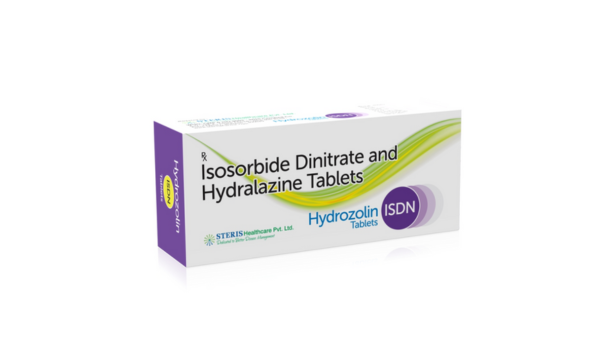




Hydralazine 25 mg Isosorbite Di Nitrate
Jun 28, 2022
Hydralazine 37.5 mg and isosorbide dinitrate 20 mg make up HYDROZOLIN ISDN, a combination cardiovascular medication designed to effectively control hypertension and chronic heart failure, especially in individuals who need vasodilator therapy. In order to improve blood flow, lower cardiac workload, and improve overall heart function, this dual-action combination relaxes and widens blood vessels.
Heart failure is still a major public health issue in India, where its incidence is rising as a result of coronary artery disease, hypertension, and lifestyle modifications. HYDROZOLIN ISDN is particularly helpful for people who need extra hemodynamic support or who might not be able to tolerate ACE inhibitors or ARBs. Isosorbide dinitrate and hydralazine work together to improve quality of life, lessen heart failure symptoms, and increase exercise tolerance.
With its established clinical use and strong therapeutic rationale, HYDROZOLIN ISDN holds an important place in modern cardiovascular treatment protocols.
Uses
HYDROZOLIN ISDN is prescribed for several cardiovascular conditions where vasodilation and improved blood circulation are required:
1. Chronic Heart Failure
HYDROZOLIN ISDN is widely used in the treatment of chronic heart failure, particularly in patients with reduced ejection fraction. The combination helps reduce both preload and afterload, improving cardiac output and relieving symptoms such as breathlessness and fatigue.
2. Hypertension Management
The medicine is effective in controlling high blood pressure, especially in patients who require combination therapy for optimal blood pressure reduction.
3. Alternative to ACE Inhibitors or ARBs
HYDROZOLIN ISDN is often prescribed to patients who are intolerant to ACE inhibitors or angiotensin receptor blockers, providing an effective alternative for cardiovascular risk reduction.
4. Adjunct Therapy in Cardiovascular Disorders
It may be used alongside beta-blockers, diuretics, or other heart failure medications to enhance therapeutic outcomes in complex cardiac conditions.
Benefits
HYDROZOLIN ISDN offers multiple clinical and patient-centric benefits due to its dual vasodilatory mechanism:
1. Dual Vasodilation Mechanism
Isosorbide Dinitrate primarily dilates veins, reducing preload, while Hydralazine dilates arteries, lowering afterload. This balanced vasodilation significantly reduces cardiac stress.
2. Improved Cardiac Output
By decreasing resistance and improving blood flow, HYDROZOLIN ISDN enhances cardiac efficiency and improves oxygen delivery to vital organs.
3. Symptom Relief in Heart Failure
Patients experience reduced shortness of breath, less fatigue, and improved exercise tolerance, leading to better daily functioning.
4. Reduced Hospitalization Risk
Consistent use helps stabilize heart failure symptoms, potentially reducing hospital admissions related to cardiac decompensation.
5. Suitable for Long-Term Therapy
When used under medical supervision, HYDROZOLIN ISDN is suitable for long-term management of chronic cardiovascular conditions.
6. Proven Clinical Relevance
The Isosorbide Dinitrate–Hydralazine combination has a strong evidence base in heart failure management, particularly in specific patient populations.
Dosage
The dosage of HYDROZOLIN ISDN should always be individualized based on the patient’s clinical condition and response to therapy.
General Dosage Guidelines:
-
Usual Dose: As prescribed by the physician, typically administered two to three times daily
-
Route: Oral
-
Administration: Tablets should be taken with water, preferably at evenly spaced intervals
Important Dosage Considerations:
-
Dose adjustments may be required in elderly patients
-
Gradual dose titration helps minimize side effects such as headache or dizziness
-
Patients should not discontinue the medicine abruptly without medical advice
Regular follow-up is essential to assess blood pressure, heart rate, and overall cardiac response.
Side Effects
HYDROZOLIN ISDN is generally well tolerated; however, some patients may experience side effects, especially during the initial phase of treatment.
Common Side Effects:
-
Headache
-
Dizziness or lightheadedness
-
Flushing
-
Nausea
-
Palpitations
Less Common Side Effects:
-
Low blood pressure (hypotension)
-
Rapid heartbeat
-
Fatigue
-
Nasal congestion
Rare but Serious Side Effects:
-
Severe hypotension
-
Allergic reactions such as rash or itching
-
Lupus-like symptoms (associated with long-term Hydralazine use in rare cases)
Patients experiencing persistent or severe adverse effects should consult their healthcare provider promptly.
Precautions and Warning
Certain precautions must be observed before and during treatment with HYDROZOLIN ISDN:
1. Blood Pressure Monitoring
Regular monitoring is essential, as excessive blood pressure reduction may lead to dizziness or fainting.
2. Heart Conditions
Use with caution in patients with severe coronary artery disease or recent myocardial infarction, unless advised by a cardiologist.
3. Kidney and Liver Function
Patients with renal or hepatic impairment should use HYDROZOLIN ISDN under close medical supervision.
4. Pregnancy and Breastfeeding
The medicine should be used during pregnancy or lactation only if clearly indicated and prescribed by a healthcare professional.
5. Drug Interactions
Inform the physician about concurrent use of:
-
Other antihypertensive agents
-
Phosphodiesterase inhibitors (e.g., sildenafil)
-
Diuretics or beta-blockers
6. Alcohol Consumption
Alcohol may enhance the blood pressure-lowering effect and should be avoided or limited during therapy.
Conclusion
HYDROZOLIN ISDN, combining Isosorbide Dinitrate 20 mg and Hydralazine 37.5 mg, is a clinically proven and effective therapy for the management of chronic heart failure and hypertension. Its dual vasodilatory action offers balanced cardiovascular support by reducing both preload and afterload, thereby improving cardiac performance and patient outcomes.
Recent Post

Buy Semaglutide Injection 4mg Online in India | Price, Uses & Availability

Buy Etoricoxib and Cyclobenzaprine Hydrochloride Tablets in India from Steris Healthcare. Check uses, composition, price, and order online.

Semaglutide Injection 8 mg: Uses, Dosage, Price & How to Buy Online Safely

Buy Semaglutide Injection 2 mg Online : Price, Uses & Side Effects

सेमाग्लूटाइड इंजेक्शन ऑनलाइन खरीदें | बेहतरीन कीमत

सेमाग्लूटाइड इंजेक्शन: कीमत, उपयोग, फायदे, खुराक और ऑनलाइन खरीदने की पूरी जानकारी

Buy Semaglutide Injection Online in India | Price & Uses

Nefopam Hydrochloride 30 mg Tablets : How It Works, Uses & Safety Information

Ferric Maltol, Vitamin C, Folic Acid, Vitamin D2 and Vitamin B12 Capsules: Uses, Benefits, Side Effects and Complete Guide to Iron Deficiency Support

Aripiprazole 10 mg : Uses, Benefits, Dosage & Side Effects – Complete Guide