


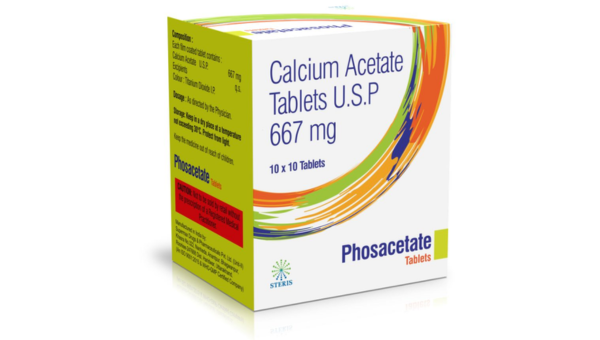




Calcium Acetate 667 mg Tablets : Uses, Benefits, Side Effects & Price
Sep 12, 2025
Managing high phosphate levels is a major concern for patients with chronic kidney disease (CKD), especially those on dialysis. PHOSACETATE, containing calcium acetate 667mg, is a trusted medicine that helps control phosphate levels and supports overall kidney health.
What is Calcium Acetate 667 mg?
Calcium acetate 667 mg tablet is a phosphate binder. It works inside the digestive system to bind excess phosphate from food and prevent its absorption into the bloodstream.
This makes calcium acetate an important medicine for patients with CKD who often struggle with high phosphate levels (hyperphosphatemia).
Calcium Acetate 667 mg Uses
Calcium acetate 667 mg uses are mainly focused on controlling phosphate levels and protecting long-term health.
Common Uses:
- Hyperphosphatemia management – Reduces high phosphate levels in CKD patients
- Bone protection – Helps prevent bone weakness and renal bone disease
- Heart health support – Lowers risk of calcium deposits in blood vessels
- Mineral balance – Maintains proper calcium and phosphate levels
In simple terms, calcium acetate tablet uses help keep minerals balanced and reduce complications linked with kidney disease.
How Calcium Acetate 667 mg Works
calcium acetate 667 mg tablet works in a simple but effective way:
- Binds phosphate present in food inside the stomach and intestines
- Forms insoluble compounds
- These compounds are removed from the body through stool
- Reduces phosphate absorption into blood
This mechanism makes calcium acetate 667 mg very effective for dialysis patients and those with advanced CKD.
Benefits of PHOSACETATE
Using calcium acetate 667 mg tablet regularly as prescribed offers several benefits:
- Effective control of high phosphate levels
- Helps protect bones from damage
- Reduces risk of heart and blood vessel complications
- Supports overall mineral balance
- Improves long-term health outcomes in CKD patients
Calcium Acetate 667 mg Dosage
The correct calcium acetate 667 mg dosage should always be decided by a doctor.
General Guidelines:
- Typical calcium acetate 667 mg dose: 1–2 tablets with each meal
- Take orally with food
- Do not skip doses
- Follow doctor’s advice strictly
Taking the medicine with meals is very important for proper phosphate binding.
Calcium Acetate 667 mg Side Effects
Like all medicines, calcium acetate 667 mg side effects may occur in some patients.
Common Side Effects:
- Nausea
- Constipation
- Diarrhea
- Stomach discomfort
Serious Side Effects:
- High calcium levels (Hypercalcemia)
- Allergic reactions (rash, swelling)
- Severe constipation
Regular monitoring is important while using calcium acetate 667 mg tablet.
Precautions and Warnings
Before using calcium acetate tablet, keep these points in mind:
- Avoid extra calcium supplements unless prescribed
- Use carefully if you already have high calcium levels
- Inform your doctor about kidney condition and other medicines
- Pregnant or breastfeeding women should consult a doctor
- Regular blood tests are important to monitor calcium and phosphate levels
Drug Interactions
calcium acetate 667 mg may interact with:
- Antibiotics (like tetracyclines and quinolones)
- Calcium supplements
- Heart medicines such as digoxin
Always inform your doctor about all medicines you are taking.
Storage Instructions
- Store at room temperature (15–25°C)
- Keep away from sunlight and moisture
- Keep out of reach of children
About Steris Healthcare
Steris Healthcare Pvt. Ltd. is known for delivering high-quality, affordable, and reliable medicines across India. With a strong focus on safety and patient care, the company ensures trusted healthcare solutions.
Frequently Asked Questions (FAQ)
Q1. What are calcium acetate 667 mg uses?
It is mainly used to control high phosphate levels in CKD patients.
Q2. What is calcium acetate 667 mg tablet?
It is a phosphate binder that reduces phosphate absorption from food.
Q3. What is the correct calcium acetate 667 mg dose?
Usually 1–2 tablets with meals, as prescribed by your doctor.
Q4. What are calcium acetate 667 mg side effects?
Common effects include nausea, constipation, and stomach discomfort.
Q5. Can I take calcium acetate without food?
No, it should be taken with meals for best results.
Conclusion
PHOSACETATE (calcium acetate 667 mg tablet) is a highly effective and reliable medicine for managing high phosphate levels in CKD patients. It plays an important role in protecting bone health, maintaining mineral balance, and reducing long-term complications.
With proper calcium acetate 667 mg dosage and regular medical supervision, patients can manage their condition more effectively and improve their quality of life.
Recent Post

Buy Semaglutide Injection 4mg Online in India | Price, Uses & Availability

Buy Etoricoxib and Cyclobenzaprine Hydrochloride Tablets in India from Steris Healthcare. Check uses, composition, price, and order online.

Semaglutide Injection 8 mg: Uses, Dosage, Price & How to Buy Online Safely

Buy Semaglutide Injection 2 mg Online : Price, Uses & Side Effects

सेमाग्लूटाइड इंजेक्शन ऑनलाइन खरीदें | बेहतरीन कीमत

सेमाग्लूटाइड इंजेक्शन: कीमत, उपयोग, फायदे, खुराक और ऑनलाइन खरीदने की पूरी जानकारी

Buy Semaglutide Injection Online in India | Price & Uses

Nefopam Hydrochloride 30 mg Tablets : How It Works, Uses & Safety Information

Ferric Maltol, Vitamin C, Folic Acid, Vitamin D2 and Vitamin B12 Capsules: Uses, Benefits, Side Effects and Complete Guide to Iron Deficiency Support

Aripiprazole 10 mg : Uses, Benefits, Dosage & Side Effects – Complete Guide