


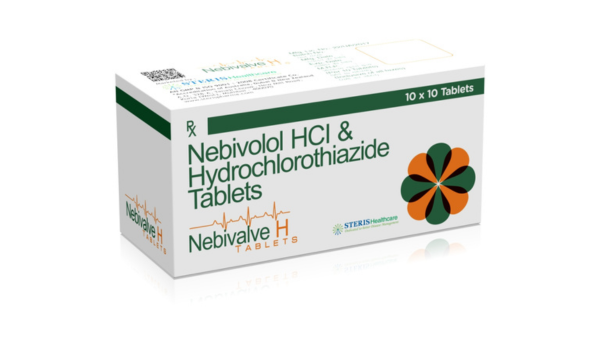




Nebivolol 5 mg + Hydrochlorthaizide 12.5 mg
Jun 30, 2022
Nebivolol (5 mg) and hydrochlorothiazide (HCTZ) (12.5 mg) make up the clinically successful combination antihypertensive drug NEBIVALVE H. The purpose of this dual-action formulation is to improve blood pressure management in people who do not respond well to monotherapy. NEBIVALVE H provides a balanced method of treating hypertension by combining a thiazide diuretic and a third-generation cardioselective beta-blocker.
One of the main causes of cardiovascular illnesses including heart attacks, strokes, and renal failure in India is hypertension, a rapidly expanding public health problem. By focusing on both cardiac output and fluid retention, NEBIVALVE H overcomes this difficulty and guarantees steady, long-term blood pressure lowering. It can be used on a regular basis under medical supervision due to its well-tolerated profile.
Uses
NEBIVALVE H is primarily indicated for the management of high blood pressure, especially in patients requiring combination therapy. Its key uses include:
-
Essential Hypertension: For patients whose blood pressure is not adequately controlled with a single antihypertensive agent
-
Moderate to Severe Hypertension: Helps achieve target blood pressure levels effectively
-
Cardiovascular Risk Reduction: Lowers the risk of heart attack, stroke, and other hypertension-related complications
-
Adjunct Therapy: Can be prescribed when beta-blocker or diuretic monotherapy alone is insufficient
This combination is commonly recommended by physicians for long-term blood pressure control in adult patients.
Benefits
NEBIVALVE H provides multiple therapeutic benefits due to its complementary mechanism of action:
-
Dual Mechanism for Better Control: Nebivolol reduces heart rate and cardiac workload, while HCTZ eliminates excess salt and water from the body
-
Effective Blood Pressure Reduction: Ensures consistent lowering of both systolic and diastolic blood pressure
-
Cardioselective Beta-Blocker: Nebivolol selectively targets beta-1 receptors, minimizing respiratory side effects
-
Vasodilatory Action: Nebivolol promotes nitric oxide release, improving endothelial function and blood vessel relaxation
-
Reduced Fluid Overload: Hydrochlorothiazide helps prevent fluid retention and edema
-
Once-Daily Convenience: Improves patient compliance with a simple dosing schedule
-
Well-Tolerated Combination: Lower incidence of metabolic and cardiovascular adverse effects compared to older combinations
These advantages make NEBIVALVE H a reliable option for physicians managing patients with difficult-to-control hypertension.
Dosage
The dosage of NEBIVALVE H should always be determined by a healthcare professional based on individual patient needs.
General Dosage Guidelines:
-
Recommended dose: One tablet once daily
-
Route: Oral
-
Can be taken with or without food, preferably at the same time each day
Regular monitoring of blood pressure, electrolytes, and kidney function is advised, especially during the initial phase of therapy. Dose adjustments may be required in elderly patients or those with renal impairment.
Side Effects
NEBIVALVE H is generally safe and well tolerated when used as prescribed. However, some patients may experience mild to moderate side effects.
Common Side Effects:
-
Headache
-
Dizziness
-
Fatigue
-
Increased urination (initially)
Less Common Side Effects:
-
Nausea
-
Muscle cramps
-
Cold hands or feet
-
Mild electrolyte imbalance
Rare Side Effects:
-
Low blood pressure
-
Slow heart rate
-
Allergic skin reactions
Most side effects are transient and tend to subside with continued use. Patients should consult a doctor if adverse effects persist or become severe.
Precautions and Warning
Certain precautions should be considered before and during treatment with NEBIVALVE H:
-
Cardiac Conditions: Use cautiously in patients with severe bradycardia, heart block, or heart failure
-
Renal or Hepatic Impairment: Regular monitoring is recommended; dose adjustment may be required
-
Diabetes: HCTZ may affect blood sugar levels, and Nebivolol can mask symptoms of hypoglycemia
-
Electrolyte Imbalance: Periodic monitoring of sodium and potassium levels is advised
-
Pregnancy and Breastfeeding: Use only if clearly prescribed by a physician
-
Avoid Abrupt Discontinuation: Sudden withdrawal of beta-blockers may worsen cardiac conditions
Lifestyle modifications such as reduced salt intake, regular physical activity, weight management, and stress control enhance the effectiveness of therapy.
Conclusion
NEBIVALVE H, combining Nebivolol 5 mg and Hydrochlorothiazide 12.5 mg, is a scientifically formulated antihypertensive therapy that delivers effective, sustained blood pressure control through a dual mechanism of action. Its cardioselective, vasodilatory, and diuretic properties make it an excellent choice for patients requiring combination treatment for hypertension.
Recent Post

Buy Semaglutide Injection 4mg Online in India | Price, Uses & Availability

Buy Etoricoxib and Cyclobenzaprine Hydrochloride Tablets in India from Steris Healthcare. Check uses, composition, price, and order online.

Semaglutide Injection 8 mg: Uses, Dosage, Price & How to Buy Online Safely

Buy Semaglutide Injection 2 mg Online : Price, Uses & Side Effects

सेमाग्लूटाइड इंजेक्शन ऑनलाइन खरीदें | बेहतरीन कीमत

सेमाग्लूटाइड इंजेक्शन: कीमत, उपयोग, फायदे, खुराक और ऑनलाइन खरीदने की पूरी जानकारी

Buy Semaglutide Injection Online in India | Price & Uses

Nefopam Hydrochloride 30 mg Tablets : How It Works, Uses & Safety Information

Ferric Maltol, Vitamin C, Folic Acid, Vitamin D2 and Vitamin B12 Capsules: Uses, Benefits, Side Effects and Complete Guide to Iron Deficiency Support

Aripiprazole 10 mg : Uses, Benefits, Dosage & Side Effects – Complete Guide