


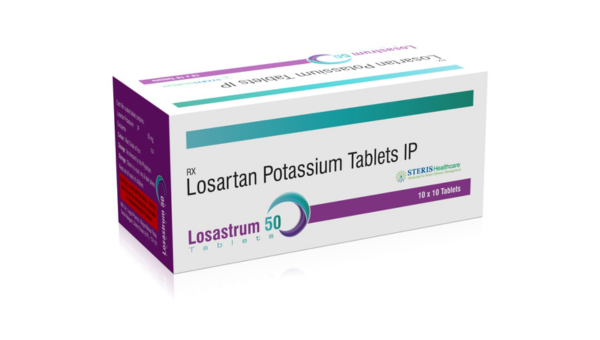




Losartan 50 mg
Jun 30, 2022
LOSASTRUM 50 is a prescription medication containing Losartan 50 mg, an angiotensin II receptor blocker (ARB) widely used for the management of hypertension and related cardiovascular conditions. Losartan works by blocking the action of angiotensin II, a hormone that causes blood vessels to constrict, thereby reducing blood pressure and improving blood flow.
Hypertension is a significant health concern in India, affecting millions and contributing to serious complications such as stroke, heart attack, kidney disease, and heart failure. LOSASTRUM 50 provides a safe and effective solution for controlling high blood pressure, offering both cardiovascular protection and renal benefits. Its once-daily dosing enhances patient adherence and ensures consistent therapeutic outcomes.
Uses
LOSASTRUM 50 is prescribed for a range of conditions where blood pressure reduction and vascular protection are essential:
1. Hypertension
LOSASTRUM 50 effectively lowers both systolic and diastolic blood pressure, reducing the risk of cardiovascular events and long-term organ damage.
2. Heart Failure
Losartan has beneficial effects in patients with heart failure with reduced ejection fraction (HFrEF) by decreasing afterload and improving cardiac output.
3. Diabetic Nephropathy
LOSASTRUM 50 helps protect kidney function in patients with type 2 diabetes, reducing proteinuria and slowing the progression of renal damage.
4. Stroke Risk Reduction
By controlling blood pressure, LOSASTRUM 50 lowers the risk of recurrent strokes in patients with a history of cerebrovascular events.
5. Combination Therapy
It can be used alongside other antihypertensive agents, including diuretics or calcium channel blockers, for patients requiring multi-drug regimens to achieve optimal blood pressure control.
Benefits
LOSASTRUM 50 offers multiple clinical and patient-centric benefits:
1. Effective Blood Pressure Control
By blocking angiotensin II receptors, LOSASTRUM 50 relaxes blood vessels, reducing vascular resistance and providing sustained blood pressure control.
2. Cardiovascular Protection
Regular therapy with LOSASTRUM 50 helps prevent heart attacks, strokes, and other cardiovascular complications associated with uncontrolled hypertension.
3. Kidney Protection
In patients with diabetes or chronic kidney disease, Losartan helps reduce proteinuria and slow renal function decline, providing long-term renal benefits.
4. Symptom Relief and Improved Quality of Life
By lowering blood pressure and reducing cardiac strain, patients experience fewer symptoms such as headaches, dizziness, and fatigue, improving overall quality of life.
5. Once-Daily Dosing
The oral tablet form and once-daily administration ensure convenience, better adherence, and consistent therapeutic effect.
6. Favorable Safety Profile
LOSASTRUM 50 is generally well tolerated, with minimal impact on lipid metabolism and glucose levels, making it suitable for patients with metabolic disorders.
Dosage
The dosage of LOSASTRUM 50 should be individualized according to the patient’s condition, blood pressure levels, and response to therapy.
Recommended Dosage:
-
Usual Adult Dose: One tablet (50 mg) once daily
-
Route: Oral
-
Administration: Take with water, with or without food, preferably at the same time each day
Important Dosage Considerations:
-
Dose may be adjusted up to 100 mg daily depending on therapeutic response
-
Patients with kidney or liver impairment may require dose modification
-
Regular monitoring of blood pressure, kidney function, and electrolytes is advised for optimal safety and effectiveness
Side Effects
LOSASTRUM 50 is generally well tolerated, but some patients may experience side effects:
Common Side Effects:
-
Dizziness or lightheadedness
-
Headache
-
Fatigue
-
Mild gastrointestinal discomfort (nausea, diarrhea)
Less Common Side Effects:
-
Increased potassium levels (hyperkalemia)
-
Low blood pressure (hypotension)
-
Cough (less common than with ACE inhibitors)
Rare but Serious Side Effects:
-
Severe hypotension
-
Kidney function deterioration in susceptible patients
-
Allergic reactions, including rash, swelling, or difficulty breathing
-
Rare angioedema (swelling of face, lips, or throat)
Patients experiencing persistent, severe, or unusual side effects should seek medical attention promptly.
Precautions and Warning
Certain precautions should be observed for safe and effective use of LOSASTRUM 50:
1. Kidney and Liver Function
Patients with renal or hepatic impairment should use LOSASTRUM 50 under careful monitoring to avoid toxicity or adverse effects.
2. Electrolyte Monitoring
Regular checks of potassium levels are recommended, especially in patients taking potassium-sparing diuretics or supplements, as hyperkalemia may occur.
3. Blood Pressure Monitoring
Hypotension may occur, particularly in elderly patients or those taking multiple antihypertensives. Blood pressure should be monitored regularly.
4. Pregnancy and Lactation
LOSASTRUM 50 should not be used during pregnancy, especially in the second and third trimesters, due to the risk of fetal harm. Caution is advised during breastfeeding.
5. Drug Interactions
Inform your healthcare provider if taking:
-
Other antihypertensives
-
Potassium supplements or potassium-sparing diuretics
-
NSAIDs or nephrotoxic drugs
6. Lifestyle Measures
Optimal blood pressure control is achieved with low-sodium diet, regular exercise, weight management, and avoidance of tobacco and excess alcohol.
Conclusion
LOSASTRUM 50, containing Losartan 50 mg, is a clinically proven, safe, and effective therapy for managing hypertension, cardiovascular risk, and renal protection. Its angiotensin II receptor-blocking mechanism ensures relaxation of blood vessels, lowering blood pressure, reducing cardiac workload, and providing long-term protection against cardiovascular and renal complications.
The oral tablet form and once-daily dosing ensure patient convenience and adherence, while its favorable safety profile makes it suitable for a wide range of patients, including those with comorbid conditions such as diabetes or mild kidney impairment.
Recent Post

Buy Semaglutide Injection 4mg Online in India | Price, Uses & Availability

Buy Etoricoxib and Cyclobenzaprine Hydrochloride Tablets in India from Steris Healthcare. Check uses, composition, price, and order online.

Semaglutide Injection 8 mg: Uses, Dosage, Price & How to Buy Online Safely

Buy Semaglutide Injection 2 mg Online : Price, Uses & Side Effects

सेमाग्लूटाइड इंजेक्शन ऑनलाइन खरीदें | बेहतरीन कीमत

सेमाग्लूटाइड इंजेक्शन: कीमत, उपयोग, फायदे, खुराक और ऑनलाइन खरीदने की पूरी जानकारी

Buy Semaglutide Injection Online in India | Price & Uses

Nefopam Hydrochloride 30 mg Tablets : How It Works, Uses & Safety Information

Ferric Maltol, Vitamin C, Folic Acid, Vitamin D2 and Vitamin B12 Capsules: Uses, Benefits, Side Effects and Complete Guide to Iron Deficiency Support

Aripiprazole 10 mg : Uses, Benefits, Dosage & Side Effects – Complete Guide