


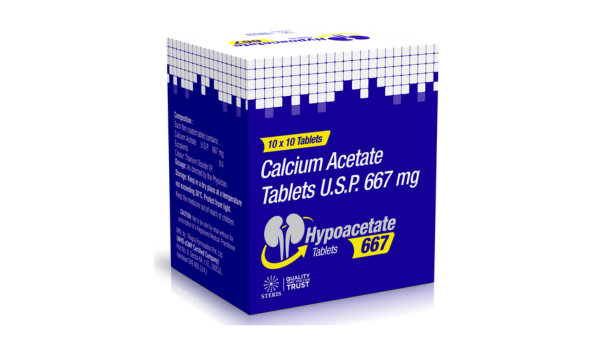




Comprehensive Guide to Calcium Acetate 667mg : HYPOACETATE 667
Jul 30, 2024
Kidneys play a very important role in removing waste products and maintaining mineral balance in the body. When kidney function becomes weak, especially in chronic kidney disease (CKD), the body may not properly remove excess phosphorus from the blood. High phosphorus levels can lead to serious health problems such as weak bones, itching, joint pain, and calcium imbalance. Proper management of phosphorus levels is important for maintaining overall health in kidney patients.
HYPOACETATE 667 contains Calcium Acetate 667 mg, a medicine commonly prescribed to control high phosphate levels in patients with kidney disease. It works as a phosphate binder and helps reduce phosphorus absorption from food. By maintaining healthy phosphate levels, this medicine supports bone health and reduces complications related to kidney disorders.
What is Calcium Acetate 667 mg?
Calcium Acetate 667 mg is a phosphate-binding medicine used mainly in patients with chronic kidney disease.
When taken with meals, calcium acetate binds with phosphate present in food and prevents its absorption into the bloodstream. The phosphate is then removed naturally from the body through stools. This helps maintain healthier phosphorus levels in patients with kidney problems.
Calcium Acetate 667 mg Uses
Calcium acetate 667 mg uses mainly focus on controlling phosphate levels in patients with kidney disorders.
Common Uses
Controls High Phosphate Levels
Helps reduce elevated phosphorus levels in the blood.
Chronic Kidney Disease Support
Used in patients with kidney failure or advanced kidney disease.
Supports Bone Health
Helps reduce bone weakness caused by phosphate imbalance.
Prevents Mineral Imbalance
Maintains proper calcium and phosphorus balance in the body.
Reduces Complications of Kidney Disease
Helps lower the risk of itching, bone pain, and calcium-related problems.
Calcium Acetate 667 mg Benefits
Using Calcium Acetate 667 mg Tablet as prescribed offers several important benefits.
Effective Phosphate Control
Reduces phosphate absorption from food and supports healthier blood phosphate levels.
Supports Kidney Patients
Useful for people with chronic kidney disease and dialysis patients.
Helps Protect Bones
Maintains healthier mineral balance and supports bone strength.
Reduces Risk of Complications
Helps reduce complications caused by high phosphorus levels.
Improves Overall Comfort
Patients may experience relief from itching and bone discomfort linked with phosphate imbalance.
Easy-to-Take Tablet Form
Convenient dosage form for regular use.
Calcium Acetate Tablet Dosage
The correct calcium acetate tablet dose depends on the patient’s phosphate levels and doctor’s advice.
General Dosage Instructions
- Usually taken with meals
- Swallow the tablet with water
- Take exactly as prescribed by the doctor
Important Tips
- Follow dietary restrictions recommended by your doctor
- Regular blood tests may be needed
- Avoid skipping doses
Missed Dose
If you miss a dose, take it with your next meal unless advised otherwise. Do not double the dose.
Proper dosage and regular monitoring help improve treatment effectiveness.
Calcium Acetate Tablet Side Effects
Like all medicines, calcium acetate tablet side effects may occur in some people.
Common Side Effects
- Nausea
- Constipation
- Stomach discomfort
- Gas or bloating
Less Common Side Effects
- Loss of appetite
- Mild abdominal pain
- Dry mouth
Rare but Serious Side Effects
- High calcium levels
- Muscle weakness
- Confusion
- Irregular heartbeat
Seek immediate medical attention if severe symptoms occur.
Warning and Precautions
Before using HYPOACETATE 667, keep these precautions in mind.
Inform Your Doctor If You Have:
- Kidney stones
- High calcium levels
- Heart disease
- Digestive problems
- Vitamin D disorders
Pregnancy and Breastfeeding
Use only if prescribed by a healthcare professional during pregnancy or breastfeeding.
Regular Blood Monitoring
Doctors may recommend blood tests to monitor calcium and phosphate levels.
Dietary Restrictions
Follow a low-phosphorus diet as advised by your doctor.
Avoid Self-Medication
Do not use this medicine without proper medical guidance.
Lifestyle Tips for Kidney Health
Along with taking Calcium Acetate 667 mg, healthy habits may help support kidney health.
Follow Kidney-Friendly Diet
Limit foods high in phosphorus such as soft drinks, processed foods, and excess dairy products.
Stay Hydrated
Drink fluids as advised by your doctor.
Attend Regular Checkups
Regular monitoring helps maintain safe mineral levels.
Take Medicines Properly
Follow your treatment schedule carefully.
Avoid Smoking and Alcohol
These may worsen kidney-related complications.
About Steris Healthcare
Steris Healthcare Pvt. Ltd. is a trusted pharmaceutical company dedicated to providing high-quality and affordable healthcare products across India. The company focuses on innovation, patient care, and reliable treatment solutions. Steris Healthcare medicines are manufactured under strict quality standards to ensure safety, effectiveness, and patient satisfaction.
Frequently Asked Questions (FAQ)
Q1. What are calcium acetate 667 mg uses?
Calcium Acetate 667 mg is used to control high phosphate levels in patients with chronic kidney disease.
Q2. How does Calcium Acetate Tablet work?
It binds with phosphate from food and reduces its absorption into the blood.
Q3. What is the usual calcium acetate tablet dose?
The dosage depends on phosphate levels and should be taken exactly as prescribed by the doctor.
Q4. What are common calcium acetate tablet side effects?
Common side effects include nausea, constipation, gas, and stomach discomfort.
Q5. Can dialysis patients use HYPOACETATE 667?
Yes, it is commonly prescribed for dialysis patients with high phosphate levels.
Conclusion
HYPOACETATE 667 (Calcium Acetate 667 mg) is an effective phosphate-binding medicine used for controlling high phosphate levels in patients with chronic kidney disease. It helps maintain healthy mineral balance, supports bone health, and reduces complications caused by elevated phosphorus levels.
Recent Post

Buy Etoricoxib and Cyclobenzaprine Hydrochloride Tablets in India from Steris Healthcare. Check uses, composition, price, and order online.

Semaglutide Injection 8 mg: Uses, Dosage, Price & How to Buy Online Safely

Buy Semaglutide Injection 2 mg Online : Price, Uses & Side Effects

सेमाग्लूटाइड इंजेक्शन ऑनलाइन खरीदें | बेहतरीन कीमत

सेमाग्लूटाइड इंजेक्शन: कीमत, उपयोग, फायदे, खुराक और ऑनलाइन खरीदने की पूरी जानकारी

Buy Semaglutide Injection Online in India | Price & Uses

Nefopam Hydrochloride 30 mg Tablets : How It Works, Uses & Safety Information

Ferric Maltol, Vitamin C, Folic Acid, Vitamin D2 and Vitamin B12 Capsules: Uses, Benefits, Side Effects and Complete Guide to Iron Deficiency Support

Aripiprazole 10 mg : Uses, Benefits, Dosage & Side Effects – Complete Guide

Levamisole Hydrochloride 150 mg Tablets IP : Uses, Benefits, Dosage & Side Effects Explained